
Full Circle from Backpacking as a Youth to and Older Adult
Feb 23, 2026
When I was 15 years old, I was able to go on a 10 day backpacking trip with other youth from the Methodist Church from the state of Oklahoma. Every year one to two groups were organized to backpack either in the state of Colorado, or in Europe.
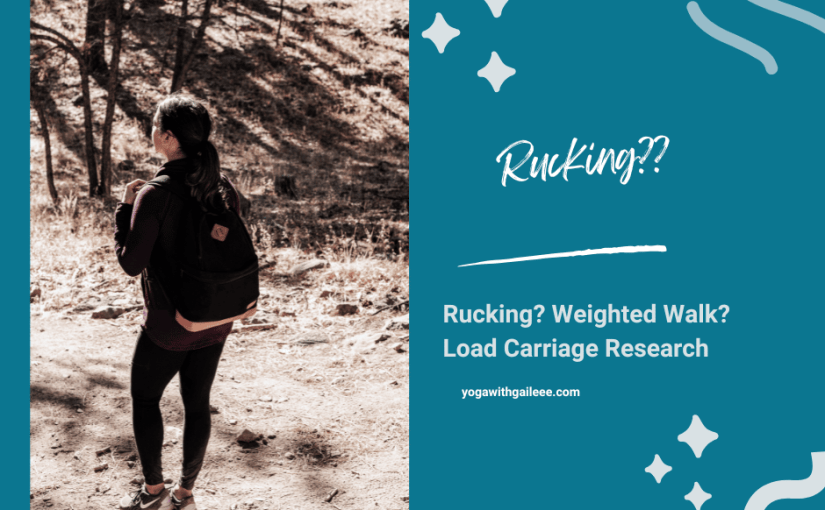
We’d be told to go walking with a weight backpack as part of our training to get ready for this summer activity. Little did I know this activity would bring me full circle to what I’m doing these days.
We gathered in the city somewhere (then known as either Edmond, or Oklahoma City) gathered from all the different places in the state of Oklahoma. We each had our own sleeping bags, tents, eating gear, freeze dried food stores, personal clothing and belongings. Any where from 30 – 45 pounds each person was carrying.
We took a school bus, and drove to Durango, Colorado. Spent the night in a Methodist Church, and the next day took the Silverton train from Durango.
We were left off about two hours from where we departed and started our 10 day trip into the mountains. We used the horse trails, and had a specific route that we were taking.
A lot of the boys who were on this trip, were using this trip as a conditioning trip for their football practices. Seemed a bit extreme to me at the time, but looking back it made sense.
I remembered I was quite skinny back then, and this also had me lose a lot of weight, as we were in the high altitude, carrying heavy loads, walking 3-7 miles a day.
I did something like this again in my college years, taking a geomorphology camp course. We were measuring the effects of glacial freezing and refreezing on specific rock formations. This was in the southern part of Colorado.
I once again did the backpacking trip, but as a counselor instead of a participant. Same method, walking with a lot of weight in a backpack to train for the backpacking event. Again, found that there was some weight loss due to this vigorous activity.
🧠 1. Human “load carriage” research (military & biomechanics)
A large body of research comes from military physiology, where carrying loads over distance is a core functional demand.
Key findings
- Humans are exceptionally efficient load carriers compared to other mammals
- Carrying weight increases:
- oxygen consumption (VO₂)
- heart rate
- energy expenditure
- The heavier the load and faster the pace, the greater the metabolic demand
👉 Studies consistently show that walking with load provides both aerobic and muscular stimulus simultaneously, confirming what your source described.
Example findings
- Adding 20–40% of body weight significantly increases metabolic cost
- Load carriage activates:
- trunk stabilizers
- hip extensors
- calves
- It improves functional strength and endurance together
❤️ 2. Energy expenditure & cardiovascular benefits
Several controlled studies have compared walking vs. walking with added weight.
Results across studies
- Weighted walking:
- burns more calories per mile than normal walking
- increases cardiovascular demand without needing higher speed
- This makes it accessible for:
- older adults
- people who cannot run
- rehabilitation populations
This supports the idea of rucking as a “low-impact cardio + strength hybrid.”
🦴 3. Bone density and skeletal loading
Weighted vest studies (especially in postmenopausal women and older adults) show:
- Load-bearing walking helps maintain or increase bone mineral density
- The added load stimulates osteogenic (bone-building) response
This is especially relevant for aging populations concerned about:
- osteoporosis
- frailty
- fall risk
🔥 4. Body composition and fat loss research
There are small but meaningful studies showing that weighted load walking can:
- Increase fat loss while preserving lean muscle
- Improve resting metabolic rate maintenance after weight loss
One pilot study in older adults with obesity found that wearing a weighted vest during daily activity helped prevent weight regain compared to diet alone.
(These are small studies, but promising.)
🧍 5. Posture, gait, and stability
Biomechanics research shows that load carriage:
- changes gait mechanics (shorter stride, more stability)
- increases engagement of core stabilizers
- improves balance and proprioception
This aligns with your intuitive observation about needing to move like a “packed mule” with more control and awareness.
🪖 6. Injury risk & safety findings
Research from military populations shows:
- Very heavy loads (>45–50% body weight) increase injury risk
- Moderate loads (10–30% body weight) are generally well tolerated
- Compared to running, load walking has a lower injury rate when loads are reasonable
This supports the recommendation:
👉 start light, progress gradually
🧓 7. Aging & functional fitness
Emerging research suggests weighted walking may:
- improve functional capacity
- support daily life strength
- enhance ability to carry groceries, grandchildren, etc.
This makes it particularly relevant for:
- seniors
- rehabilitation
- longevity-focused movement practices
🧭 Big-picture scientific takeaway
Across multiple fields, research supports that walking with weight is a uniquely effective human movement pattern that:
✔ combines strength + cardio
✔ improves bone and muscle health
✔ supports fat loss
✔ enhances functional capacity
✔ reflects natural human evolutionary movement
In other words:
👉 science largely confirms what your speaker said—
this is something humans evolved to do.
🔬 Key Named Studies on Load Carriage / Weighted Walking
1. Military Load-Carriage Physiology Research
These are some of the most robust and long-running studies, because militaries rely heavily on rucking.
📘 Knapik et al. (2004, 2012 reviews)
- Authors: Joseph J. Knapik et al.
- Focus: Physiological, biomechanical, and injury effects of carrying loads
- Findings:
- Energy cost increases linearly with load weight and speed
- Heavier loads significantly increase joint stress and injury risk
- Recommended loads generally ≤30–40% body weight for sustained marching
These are considered foundational reviews in the field of load carriage physiology.
📘 Pandolf et al. (1977) – Load Carriage Equation
- Authors: K.B. Pandolf, B. Givoni, R.F. Goldman
- Contribution: Developed the Pandolf equation, still used to estimate metabolic cost of walking with loads
- Shows how body weight, pack weight, terrain, and speed determine energy expenditure
📘 Soule & Goldman (1972)
- One of the earliest controlled studies on energy cost of walking with loads
- Confirmed that carrying weight substantially increases oxygen consumption
2. Bone Density & Weighted Vest Walking
📘 Snow et al. (2000)
- Study: “Exercise with weighted vests and bone mineral density in postmenopausal women”
- Findings:
- Weighted vest walking combined with jumping improved hip bone density
- Showed mechanical loading stimulates bone adaptation
📘 Shaw & Snow (1998)
- Demonstrated that impact + loading improved femoral neck bone density
📘 Sinaki et al. (2002)
- Focus: spinal osteoporosis and posture exercises
- Found that back-extensor strengthening with loading reduced fracture risk and improved posture
3. Cardiovascular & Metabolic Effects
📘 Griffin et al. (2003)
- Examined oxygen uptake during walking with loads
- Showed that weighted walking:
- Raises heart rate and VO₂
- Provides moderate-to-vigorous cardiovascular stimulus
📘 Lloyd & Cooke (2000)
- Studied metabolic responses to load carriage
- Found higher calorie expenditure per distance compared to unloaded walking
4. Functional Strength, Balance & Gait
📘 Attwells et al. (2006)
- Studied biomechanics of load carriage
- Found:
- Shorter stride length
- Greater trunk stabilization demand
- Increased activation of core and hip stabilizers
📘 Harman et al. (2000)
- Focus: soldier load carriage performance
- Found that progressive load training improved:
- March endurance
- Strength
- Work capacity
5. Fat Loss & Body Composition (Field Studies)
📘 Alaska Backcountry Hunter Study (uncontrolled field observation)
- Participants carried heavy packs for extended periods
- Result:
- Significant fat loss
- Minimal muscle loss or slight gain
- Though small sample size, it supports the idea of rucking as a fat-loss-efficient modality
🧠 What These Studies Collectively Show
Across decades of research:
✔ Walking with weight increases cardiovascular demand
✔ It provides simultaneous strength + endurance stimulus
✔ It enhances bone loading and density (with impact or consistency)
✔ It recruits postural and stabilizing muscles
✔ It can support fat loss with preserved lean mass
✔ But load must be progressed gradually to avoid injury
⚖️ Safe Load Guidelines From Research
Common evidence-based recommendations:
- Beginners: 5–15% body weight
- Moderate training: 15–25% body weight
- Upper safe range: ≤30–40% body weight
- Absolute practical cap often suggested: ~50 lb
These align with military and sports science literature.
 Gentle Yoga and Tai Chi with Gail