
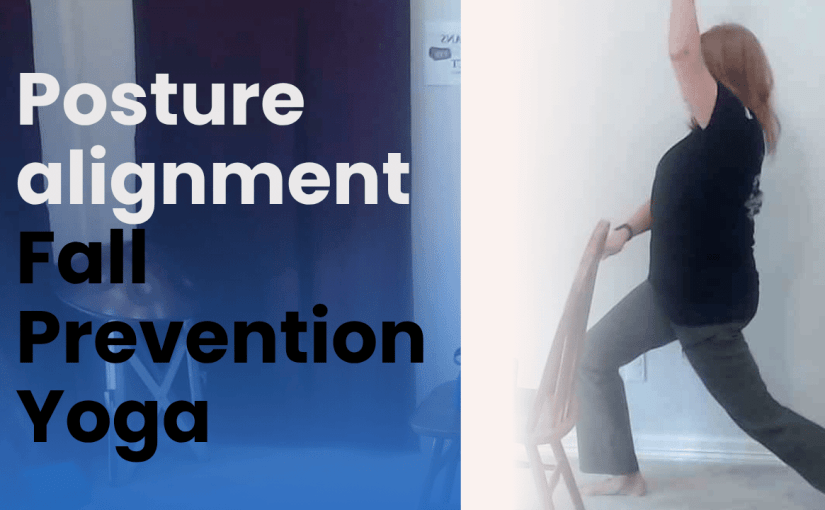
Introduction to Fall Prevention Yoga
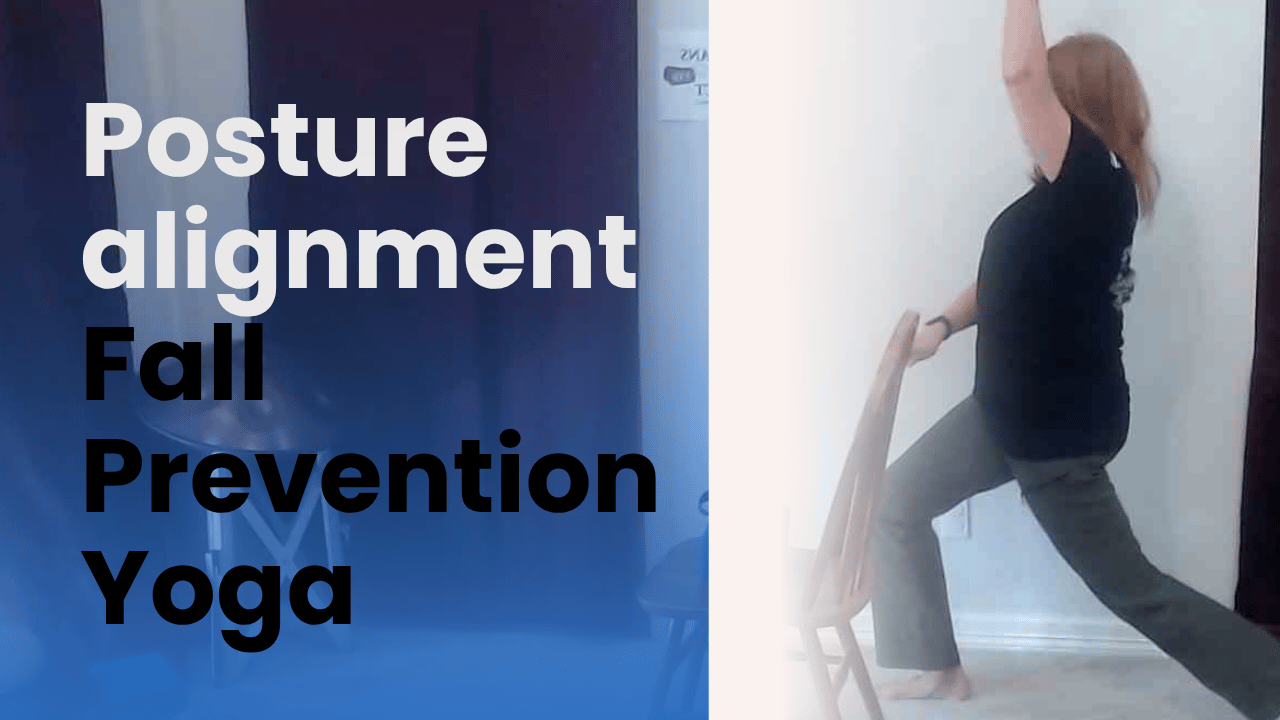
Overview of Chair Yoga
- Chair yoga is a modified form of yoga that allows individuals to perform poses while seated or using a chair for support, making it accessible for those with mobility issues.
- It focuses on improving flexibility, strength, and balance, which are crucial for fall prevention, especially in older adults.
- The practice can be adapted to various skill levels, ensuring inclusivity for all participants.
Importance of Postural Alignment
- Proper postural alignment is essential for maintaining balance and preventing falls; it involves aligning the body in a way that reduces strain and enhances stability.
- Misalignment can lead to muscle imbalances and increase the risk of falls, making awareness of body positioning critical during yoga practice.
- Techniques such as checking foot alignment and engaging core muscles are emphasized to promote better posture.
Breathing Techniques in Chair Yoga
Breath Awareness and Control
- Breath is a foundational element in yoga; it helps to center the mind and body, enhancing the overall practice.
- Participants are guided to focus on their breath by placing hands on the belly and chest to feel the movement during inhalation and exhalation.
- Techniques such as breathing through the nose are encouraged to promote relaxation and prevent throat dryness.
Exercises for Breath Expansion
- Exercises include expanding the belly during inhalation and drawing the belly button towards the spine during exhalation, which helps engage the core.
- Participants are encouraged to visualize their breath filling up their abdomen like a balloon, promoting deeper breathing and relaxation.
- Regular practice of these techniques can improve lung capacity and overall respiratory health.
Postural Alignment Exercises
Key Alignment Techniques
- Participants are instructed to ensure their feet are parallel and aligned, which is crucial for maintaining balance during standing poses.
- Exercises include squeezing the gluteal muscles to engage the core and improve stability, which can be practiced multiple times for effectiveness.
- The modified golfer’s grip is introduced to enhance upper body strength and posture, focusing on the alignment of the arms and shoulders.
Dynamic Movements for Stability
- Movements such as interlacing fingers and reaching overhead help to stretch and strengthen the upper body while maintaining a stable base.
- Participants are guided through sequences that involve bending and straightening the knees to promote joint mobility and strength.
- Incorporating hip circles and shoulder movements helps to lubricate joints and improve overall flexibility, which is essential for fall prevention.
Conclusion and Practice Integration
Importance of Regular Practice
- Consistent practice of chair yoga can lead to improved balance, strength, and flexibility, significantly reducing the risk of falls in older adults.
- Participants are encouraged to integrate these exercises into their daily routines for maximum benefit.
- The holistic approach of combining breath work, alignment, and movement fosters a greater sense of well-being and confidence.
Community and Support
- Engaging in group classes can provide social support, which is beneficial for mental health and motivation to continue practicing yoga.
- Instructors play a crucial role in guiding participants through safe practices and modifications tailored to individual needs.
- Building a community around chair yoga can enhance the experience and encourage participants to share their progress and challenges.
Introduction to Movement and Energy Techniques
Overview of Movement Practices
- Movement practices focus on enhancing physical health and energy flow in the body.
- Techniques often incorporate elements from traditional practices such as Tai Chi and Qi Gong.
- Emphasis on mindful movement to promote relaxation and reduce tension.
Importance of Energy Flow
- Energy flow is crucial for overall health, as blockages can lead to physical and mental issues.
- Traditional Chinese Medicine identifies meridians that correspond to different organs and energy pathways.
- Techniques such as tapping and stroking are used to stimulate these meridians and promote healing.
Detailed Techniques for Energy Release
Upper Body Movements
- Arm Circles: Helps to release tension in the upper back and shoulders. Recommended to perform in sets of 10, alternating directions.
- Golfer’s Grip: Engages the arms and shoulders, promoting flexibility and strength.
Detox Techniques
- Chon Detox: Involves stroking across the collarbone to clear energy blockages in the lung, kidney, and stomach meridians.
- Ear and Jawline Strokes: Stimulates cerebral spinal fluid flow, potentially reducing dementia risk.
Lower Body and Foot Techniques
Foot and Ankle Exercises
- Point and Flex: Engages the calf muscles, considered the ‘second heart’ of the body, aiding in blood circulation.
- Ankle Circles: Strengthens the feet and improves mobility, essential for walking stability.
Knee and Leg Movements
- Gallbladder Meridian Tapping: Tapping the side of the knees can help alleviate knee pain and improve circulation.
- Leg Shaking: Promotes oxygen flow to the lower body, reducing the risk of leg cramps.
Balancing Techniques and Final Movements
Golden Rooster Balance Exercise
- Golden Rooster: A Tai Chi exercise that enhances balance and stability, focusing on rooting down through one leg while lifting the other.
- Encourages awareness of body alignment and core engagement.
Conclusion and Daily Practice Recommendations
- Incorporating these techniques into daily routines can enhance physical health and energy levels.
- Recommended to practice each technique 5-10 times for optimal benefits.
Tai Chi Concepts and Techniques
Rooting and Balance
- The concept of rooting in Tai Chi emphasizes grounding oneself, particularly through the leg closest to a support (like a chair).
- Practitioners are encouraged to assess their need for support while performing movements, enhancing awareness of balance and stability.
- The exercise involves bending the knees and tucking the tailbone, which helps in maintaining a strong posture and balance.
- A three-point step drill is introduced to build leg strength and improve balance awareness, involving movements forward, to the side, and backward.
- The importance of feeling sensations in the hips and legs during these movements is highlighted, indicating engagement of muscle groups.
- Repetition of these movements helps in muscle memory and strength building, essential for Tai Chi practice.
Movement Sequences
- The sequence involves bending both knees and performing a series of leg movements while maintaining balance, such as bringing the leg forward, to the side, and back.
- Each movement is performed with a focus on maintaining the weight on the rooted leg, ensuring stability and control.
- The exercise encourages participants to engage their core and leg muscles, promoting overall strength and flexibility.
- The sequence is repeated multiple times to reinforce muscle engagement and improve coordination.
- Participants are encouraged to notice any muscle buildup and to release tension through gentle movements like step touches.
- The integration of music or rhythm (e.g., 106 beats) can enhance the experience and encourage synchronization of movements.
Strength Training Techniques
Chair Exercises and Equipment Use
- The transition to strength training involves using a chair, yoga block, and strap to facilitate various exercises.
- A cat-cow stretch is introduced to warm up the spine, emphasizing the importance of spinal flexibility and posture.
- The use of a yoga strap is demonstrated, showing how to create resistance and engage muscles effectively during exercises.
- Participants are instructed to maintain a specific distance between their hands on the strap, promoting proper alignment and engagement of the legs and core.
- The concept of pressing down into the floor while engaging the legs is emphasized, creating a strong foundation for strength training.
- The importance of breathing during exercises is highlighted, encouraging participants to focus on their breath to enhance performance.
Advanced Strength Techniques
- The use of a yoga block between the thighs is introduced to enhance inner thigh strength and stability during exercises.
- Participants are instructed to press against the block while maintaining control, which helps in building muscle strength without losing form.
- The session includes vigorous movements, such as drumming with fists, to engage the upper body and improve coordination.
- Emphasis is placed on maintaining a strong core and proper posture throughout the exercises to prevent injury.
- The session concludes with stretches targeting the big toe and foot flexibility, which are often neglected but crucial for overall mobility.
- Variations of warrior poses and lunges are suggested to further enhance flexibility and strength in the lower body.
Introduction to Chair Yoga
Overview of Chair Yoga
- Chair yoga is a form of yoga that can be practiced while seated in a chair, making it accessible for individuals with mobility issues or those who spend long hours sitting.
- It incorporates traditional yoga postures and breathing techniques, adapted for a seated position to enhance flexibility, strength, and relaxation.
- This practice is beneficial for improving posture, reducing stress, and promoting overall well-being, especially for those with limited mobility.
- Chair yoga can be practiced in various settings, including homes, offices, and community centers, making it a versatile option for many individuals.
- The use of a chair provides stability and support, allowing practitioners to focus on their breath and body alignment without the fear of falling.
- Regular practice can lead to improved circulation, reduced tension, and increased range of motion in the joints.
Benefits of Chair Yoga
- Enhances flexibility and strength, particularly in the lower body, which is crucial for maintaining mobility as one ages.
- Reduces the risk of injury by promoting safe movement patterns and improving balance.
- Supports mental health by reducing anxiety and stress through mindful breathing and movement.
- Encourages social interaction and community building when practiced in group settings.
- Provides a gentle introduction to yoga for beginners or those recovering from injury.
- Can be easily modified to accommodate various physical limitations or health conditions.
Chair Yoga Techniques
Warrior One and Crescent Lunge Variations
- Begin by sitting tall in the chair, ensuring your back is straight and your feet are flat on the ground.
- Lift your hips slightly off the chair, allowing your body to engage and activate the core muscles.
- Extend one leg forward, keeping the toe pointed and pressing into the floor with the back foot for stability.
- Optionally, raise your arms overhead to deepen the stretch and engage the upper body.
- Focus on breathing deeply, feeling the stretch in the hip flexors and lower back as you hold the position.
- This pose can increase heart rate and improve circulation, making it a dynamic addition to the practice.
Unsupported Twists for Spinal Mobility
- Start in a seated position with feet hip-width apart and hands in a ‘W’ shape to support the upper body.
- Inhale deeply, expanding the chest and belly, then exhale as you twist to one side, keeping the legs stable.
- Maintain awareness of the knees, ensuring they do not drop inward during the twist to protect the joints.
- Hold the twist for several breaths, feeling the stretch in the spine and shoulders, then return to center.
- Repeat on the opposite side, focusing on the breath and the sensations in the body.
- This exercise promotes spinal flexibility and aids in digestion through gentle twisting movements.
Additional Movements and Considerations
Hip Joint Mobilization
- Engage in seated movements to ‘oil’ the hip joints, such as lifting the knee up and out to the side.
- Incorporate gentle stomping motions to release tension and promote circulation in the lower body.
- Be mindful of any discomfort, especially for individuals with conditions like plantar fasciitis or brittle bones.
- Encourage participants to listen to their bodies and modify movements as necessary to avoid strain.
- This practice can help maintain joint health and prevent stiffness from prolonged sitting.
- Regular hip mobilization can enhance overall mobility and ease of movement in daily activities.
Standing Exercises for Strength and Balance
- Transition to standing by moving behind the chair for support, ensuring a stable base with feet hip-width apart.
- Perform leg swings to engage the hip flexors and improve balance, alternating sides for symmetry.
- Introduce heel out and toe in movements to challenge coordination and strengthen the lower body.
- Emphasize the importance of maintaining a strong core and proper posture throughout the exercises.
- Encourage hydration and breaks during practice, especially after prolonged sitting, to maintain energy levels.
- These standing exercises can enhance strength, balance, and overall functional fitness.
Movement Techniques for Flexibility and Strength
Dynamic Stretching and Muscle Engagement
- The importance of dynamic stretching in preparing the body for movement, particularly focusing on large muscle groups.
- Techniques include stepping back with one leg while bending the knee of the other leg, which engages the calf muscles and promotes flexibility.
- Emphasis on pressing the back heel into the ground to enhance calf muscle stretching and overall stability.
- Incorporating arm movements (raising arms) to increase heart rate and engage upper body muscles during stretches.
- Example: Performing a back bend while stepping back can stimulate heart rate and promote bone growth.
- Historical context: Dynamic stretching has been used in various cultures as a warm-up technique before physical activities.
Sciatica Soother Techniques
- Introduction to the ‘sciatica soother’ as a targeted exercise to alleviate discomfort in the sciatic nerve.
- Steps include stepping back, lifting the back heel, and tucking the pelvis under to engage core muscles.
- Importance of maintaining a soft bend in the knee of the front leg to avoid strain while performing the exercise.
- Notable sensations: Participants may experience shaking or discomfort, indicating muscle engagement and stretching.
- Example: Flossing the sciatic nerve through specific movements can help relieve tension and improve mobility.
- Case study: Many physical therapists recommend similar movements for patients with sciatica to enhance recovery.
Walking Techniques for Balance and Coordination
- Walking forwards and backwards as a method to improve balance and coordination, utilizing a chair or wall for support.
- The heel-toe walking technique is emphasized for better stability and muscle engagement.
- Switching foot positions during walking exercises challenges the brain and enhances cognitive function related to movement.
- Example: Walking backwards engages different brain pathways, beneficial for prefrontal cortex development.
- Safety note: Always use a stable support when practicing these movements to prevent falls.
- Historical reference: Walking exercises have been used in rehabilitation settings for centuries to improve mobility.
Strength and Endurance Assessment

Sit to Stand Exercise
- The sit-to-stand exercise is a key indicator of lower body strength and fall risk assessment.
- Guidelines suggest that completing 10-12 repetitions in 30 seconds indicates a lower risk of falls.
- Proper technique involves placing hands on shoulders or the chair for support, ensuring safety during the exercise.
- Example: If a participant can only perform 4 repetitions, they may have a 70% chance of falling, highlighting the importance of strength training.
- Training modifications: Beginners may start with hands on the chair to build strength gradually.
- Historical context: This exercise has been widely adopted in geriatric fitness programs to assess and improve functional mobility.
Heart Rate and Breathing Techniques
- The relationship between physical activity and heart rate increase, emphasizing the importance of monitoring heart rate during exercises.
- Techniques for relaxation include guided breathing exercises to lower heart rate and promote calmness.
- Example: The ‘non-sleep deep rest’ (NSDR) meditation technique encourages participants to focus on their breath, enhancing relaxation.
- Breathing patterns: Inhale deeply through the nose and exhale through the mouth to relieve stress and tension.
- Historical reference: Breathing techniques have been integral to various meditation practices across cultures for centuries.
- Importance of awareness: Noticing one’s breath can enhance mindfulness and overall well-being.
Understanding Non-Sleep Deep Rest (NSDR)
The Concept of NSDR
- Non-Sleep Deep Rest (NSDR) is a practice that promotes relaxation and mindfulness without the need for sleep.
- It involves techniques such as breath awareness and body scanning to enhance present-moment awareness.
- NSDR can help reduce stress, improve focus, and enhance overall well-being by allowing the body to rest deeply while remaining awake.
- The practice encourages participants to notice their breath without altering it, fostering a sense of calm and presence.
- Historical context: NSDR techniques are rooted in ancient practices such as yoga and meditation, which emphasize the importance of breath and body awareness.
Breath Awareness Techniques
- Participants are guided to focus on their breath, noticing the sensations of inhaling and exhaling.
- The practice encourages slow, deep breathing, which can activate the parasympathetic nervous system, promoting relaxation.
- Example: The ‘elongated breath’ technique involves inhaling deeply and exhaling slowly, often counted to enhance focus and control.
- Breathing exercises can be integrated into daily routines to manage stress and improve cognitive function.
- Case Study: Research shows that breath awareness can significantly reduce anxiety levels in participants.
Body Awareness and Scanning
Guided Body Scan
- The body scan technique involves directing attention to various parts of the body, promoting relaxation and awareness.
- Participants are invited to notice sensations in specific body areas, such as fingers, arms, and legs, fostering a connection between mind and body.
- This practice helps in identifying areas of tension or discomfort, allowing for targeted relaxation.
- Example: The guided journey through the body includes focusing on the right and left sides, enhancing bilateral awareness.
- Historical context: Body scanning is a common practice in mindfulness meditation, used to cultivate awareness and acceptance of bodily sensations.
Visualization Techniques
- Visualization is used to enhance relaxation, such as imagining bright sunshine saturating the body, promoting healing and warmth.
- This technique can help participants release tension and negative energy, fostering a sense of peace.
- Example: Inviting ‘healing sunshine’ into areas of discomfort can create a mental image of warmth and relief.
- Visualization can be a powerful tool in stress management and emotional regulation.
- Research indicates that guided imagery can improve physical and emotional health outcomes.
Movement and Physical Awareness
Importance of Movement
- Regular movement is emphasized to prevent physical discomfort and promote overall health, especially during prolonged sitting.
- Simple movements, such as shoulder circles and seated cat-cow stretches, can alleviate tension and improve posture.
- Example: The practice encourages participants to move every hour to maintain spinal health and cognitive function.
- Historical context: Movement practices are integral to many wellness traditions, emphasizing the connection between physical activity and mental clarity.
- Case Study: Studies show that incorporating movement into daily routines can enhance productivity and reduce fatigue.
Chair Yoga Practices
- Chair yoga is a modified form of yoga that can be practiced while seated, making it accessible for individuals with mobility challenges.
- The practice includes gentle stretches and movements that promote flexibility and strength without the need for a mat.
- Example: ‘Swimming dragon’ and ‘spread the feathers’ are specific chair yoga exercises that enhance range of motion in the neck and shoulders.
- Chair yoga can be particularly beneficial for older adults or those recovering from injury, providing a safe way to engage in physical activity.
- Historical context: Chair yoga has gained popularity as a therapeutic approach to enhance mobility and well-being in various populations.
Mindfulness and Gratitude Practices
Cultivating Mindfulness
- Mindfulness is the practice of being present and fully engaged in the moment, which can be enhanced through guided exercises.
- Participants are encouraged to focus on their breath and bodily sensations, fostering a deeper connection to the present.
- Example: The practice of noticing one’s breath and body can lead to increased awareness and reduced stress levels.
- Mindfulness techniques can be integrated into daily life to improve emotional regulation and resilience.
- Research indicates that mindfulness practices can lead to significant improvements in mental health outcomes.
Gratitude Practice
- Gratitude practices involve reflecting on positive aspects of life, which can enhance overall well-being and happiness.
- Participants are guided to think of something they are grateful for, fostering a positive mindset.
- Example: Clasping hands at heart center while reflecting on gratitude can create a physical representation of appreciation.
- Gratitude practices have been shown to improve emotional health and strengthen social connections.
- Historical context: Gratitude has been a focus in various philosophical and spiritual traditions, emphasizing its role in personal growth and community building.
Additional thoughts to share.
Key Terms/Concepts
- Chair Yoga: A form of yoga that can be done while seated in a chair, making it accessible for individuals with mobility issues.
- Postural Alignment: The proper positioning of the body to maintain balance and prevent injury during movement.
- Breath Awareness: The practice of focusing on the breath to enhance relaxation and mindfulness during yoga.
- Lymphatic Drainage: Techniques used to stimulate the lymphatic system to promote detoxification and improve circulation.
- Non-Sleep Deep Rest (NSDR): A meditation practice that promotes relaxation and recovery without the need for sleep.
Key Techniques/Practices
| Technique | Description |
|---|---|
| Breath Work | Involves deep breathing exercises to enhance lung capacity and promote relaxation. |
| Squeeze and Release | Engaging and relaxing specific muscle groups to improve strength and awareness. |
| Golfer’s Grip | A hand position used to engage the upper body and improve posture during exercises. |
| Cat-Cow Stretch | A spinal flexion and extension exercise to improve flexibility and relieve tension in the back. |
| Seated Twists | Rotational movements to enhance spinal mobility and promote digestion. |
Key People
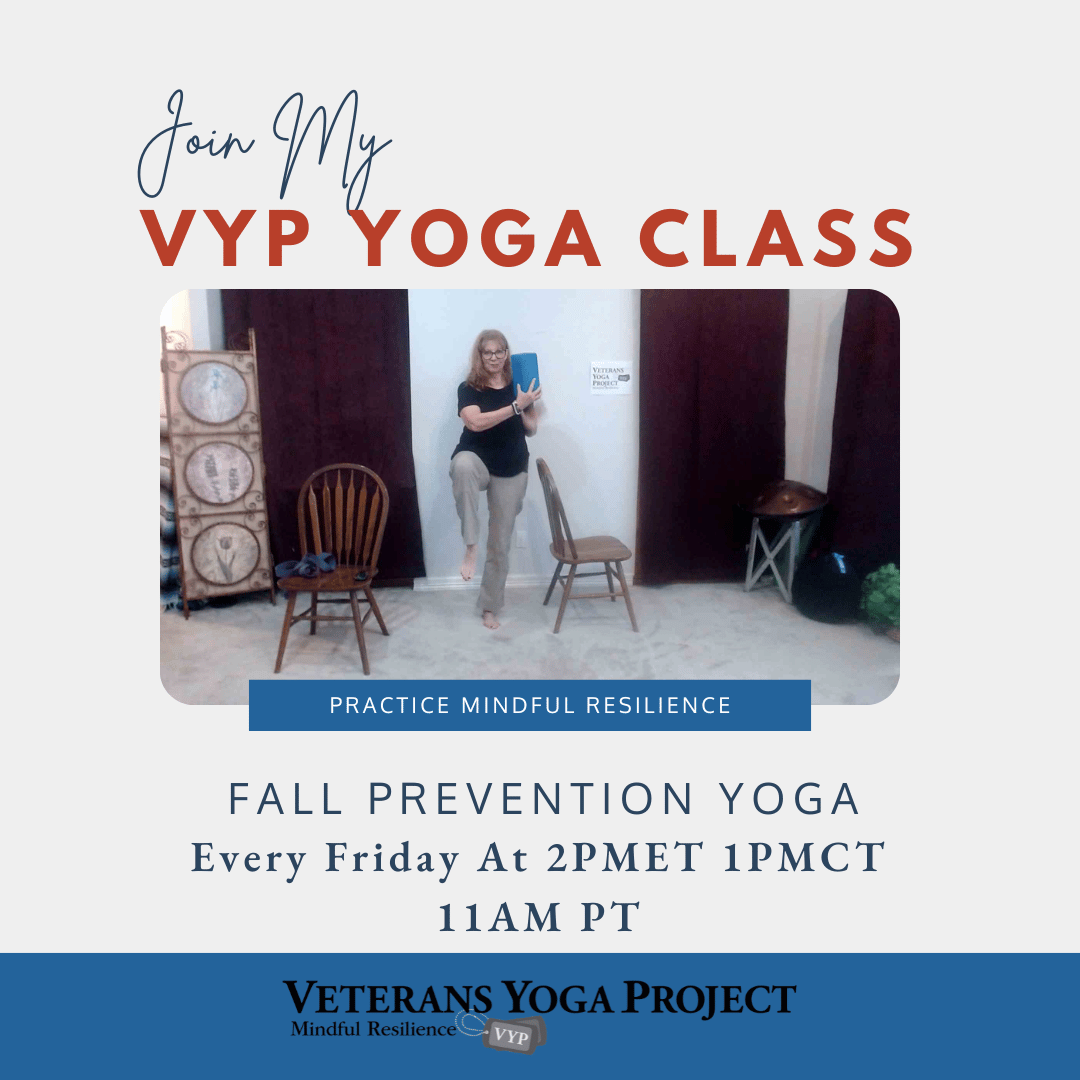
- Gail Pickens-Barger: The instructor who designed the sequence, leads the chair yoga session, focusing on fall prevention and body awareness.
Interventions
- Guided Rest and Relaxation: A practice at the end of the session to promote deep relaxation and mindfulness.
- Strength Training: Exercises designed to improve muscle strength and stability, particularly in the legs and core.
- Balance Exercises: Activities aimed at enhancing balance and coordination to prevent falls.
Key Benefits
- Improved Flexibility: Regular practice of chair yoga can enhance flexibility in the joints and muscles.
- Enhanced Strength: Strengthening exercises help build muscle, particularly in the lower body, which is crucial for fall prevention.
- Increased Mindfulness: Focus on breath and body awareness promotes mental clarity and reduces stress.
- Better Posture: Techniques taught in the class help improve overall posture, reducing the risk of injury.
Facts to Memorize
- The importance of maintaining proper posture during yoga to prevent falls.
- The concept of dantien in yoga, located two finger widths below the belly button.
- The significance of engaging the glute muscles for better stability and posture.
Reference Information
- Chair yoga is designed to improve flexibility, strength, and balance, particularly for individuals with mobility issues.
- Breathing techniques such as inhaling through the nose and exhaling through the mouth can help manage breath during exercises.
- The concept of ‘non-sleep deep rest’ (NSDR) is a meditation technique that promotes relaxation and mindfulness.
Problem-Solving Steps
Steps for Proper Postural Alignment in Chair Yoga:
- Feet Positioning: Ensure feet are about two fist distances apart and the outsides are parallel.
- Engage Core: Place one hand on the dantien and the other on the chest to monitor breath movement.
- Breath Control: Inhale deeply, expanding the belly, and exhale while drawing the belly button towards the spine.
- Shoulder Relaxation: Keep shoulders relaxed and down while maintaining a tall spine.
- Re-engage Glutes: Squeeze the glute muscles during exercises to enhance stability.

#fallprevention #chairtaichi #taichi #yoga #pilates #fusion #movements

 Gentle Yoga and Tai Chi with Gail
You must be logged in to post a comment.