Regular yoga practices helps with health conditions

A regular yoga practice, be it gentle, or seated on the chair, helps with the following health conditions:
Easing back pain through a gentle beginners yoga practice with Gail.
  • Health Benefits Within – From lowering blood pressure to increasing pain tolerance, the following health benefits can all be discovered within the body.
  • Blood pressure. A consistent yoga practice decreases blood pressure through better circulation and oxygenation of the body
  • Pulse rate. A slower pulse rate indicates that your heart is strong enough to pump more blood with fewer beats. Regularly practicing yoga provides a lower pulse rate.
  • Circulation. Yoga improves blood circulation. By transporting nutrients and oxygen throughout your body, yoga practice provides healthier organs, skin, and brain.
  • Respiratory. Like the circulatory system, a lower respiratory rate indicates that the lungs are working more efficiently. Yoga decreases the respiratory rate through a combination of controlled breathing exercises and better fitness.
  • Cardiovascular endurance. A combination of lower heart rate and improved oxygenation to the body (both benefits of yoga) results in higher cardiovascular endurance.
  • Organs. Yoga practice massages internal organs, thus improving the ability of the body to prevent disease. Additionally, an experienced yoga practitioner becomes better attuned to her body to know at first sign if something isn’t functioning properly, thereby allowing for quicker response to head off disease.
  • Gastrointestinal. Gastrointestinal functions have been shown to improve in both men and women who practice yoga.
  • Immunity. Yoga practice has frequently been correlated with a stronger immune system.
  • Pain. Pain tolerance is much higher among those who practice yoga regularly. In addition to pain tolerance, some instances of chronic pain, such as back pain, are lessened or eliminated through yoga (see below for more on back pain).
  • Metabolism. Having a balanced metabolism results in maintaining a healthy weight and controlling hunger. Consistent yoga practice helps find the balance and creates a more efficient metabolism.
  • Health Benefits Without
  • Just as many health benefits occur within the body, there are many benefits that can actually be experienced from without the body. From better sleep to more energy and strength, this list provides several benefits found on the outside of the body.
  • Aging. Yoga stimulates the detoxification process within the body. Detoxification has been shown to delay aging, among many other health benefits.
  • Posture. The very nature of yoga teaches the practitioner how to hold and control one’s body in a more healthful position. Through consistent practice, your posture will improve so that you look more confident and healthy.
  • Strength. One of the premises of yoga is that you are using the weight of your own body for overall strength.
  • Energy. Regular yoga practice provides consistent energy. In fact, most yogis state that when you perform your yoga correctly, you will feel energized after your yoga session rather than tired.
  • Weight. The benefits of a better metabolism along with the exercise of yoga work to keep your weight in check. Additionally, the stretching of muscles longwise helps to reduce the amount of cellulite that can build around muscles.
  • Sleep. Because of the many benefits to both body and mind that a yoga routine can provide, many find that their sleep is much better. Read here for more on sleep and yoga, as well as some positions for helping induce sleep.
  • Balance. An integral part of the yoga practice is balance and control over your body. With a consistent practice, you will find that your overall balance will improve outside the yoga class.
  • Integrated function of the body. Yoga is derived from Sanskrit and means “to join together and direct one’s attention.” This is exactly what happens to your body after you start practicing yoga. Yogis find that their body works together much better, resulting in more graceful and efficient body movements.
  • Body Awareness: Doing yoga will give you an increased awareness of your own body. You are often called upon to make small, subtle movements to improve your alignment. Over time, this will increase your level of comfort in your own body. This can lead to improved posture and greater self-confidence.
  • Core strength. With a strong body core, you receive better posture and overall body strength. A strong core helps heal and reduce injuries. This is why a lot of athletes do yoga as cross training .
Gentle Yoga for Easing Back Pain Wednesdays at 6:15 PM at Nederland’s Wesley UMC

Doctor at Queens shares this life giving breath technique in the time of Corona

Please breathing technique, healthy breathing, view this video, study it, practice it, read the comments.

Breathing techniques for COVID

Comments from the Youtube on this breathing technique for a few more details.

Doctor talks about and demonstrates breathing techniques for battling this virus.

Deep Breath, Inhale, Exhale – at the end of the Exhale hold the breath for 5 seconds, Repeat this 5 times. At the end of the 6th breath, cough into your shirt, cloth. Repeat again. Then lie on stomach. We call that breathing crocodile breathing, really expanding the lungs out to the sides of the body.

#justbreathe

Crockadile breathing
Crocodile breathing. May put blanket underneath hips for comfort. Really expanding the lungs out to the sides when breathing.

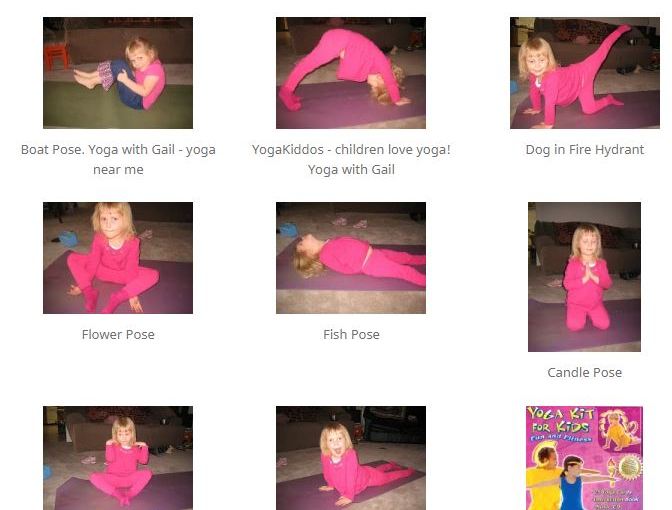
Slide show of Grace’s Yoga Poses

Slide show of the poses from Yoga Kit for Kids

This slideshow requires JavaScript.

Yoga in America – study by Yoga Journal

The number of people practicing yoga in the US has reached nearly 16 million and is expected to continue to grow steadily.

Setting up the room for a gentle yoga class with Gail.

The latest “Yoga in America” study, just released by Yoga Journal, shows that Americans spend $5.7 billion a year on yoga classes and products, including equipment, clothing, vacations and media (DVDs, videos, books and magazines).  This figure represents an increase of 87 percent – almost doubled compared to the previous study in 2004.

Yoga Journal also reported that the 2008 study indicates that 15.8 million people, or 6.9 percent of the US population, practice yoga.  Of current non-practitioners, nearly 8%, or 18.3 million Americans, say they are very or extremely interested in yoga.  And 4.1 % of non-practitioners, or about 9.4 million people, say they will definitely try yoga within the next year.

The study also collected data on age, gender and other demographic factors:

  • 72.2% are women, 27.8% are men.
  • 40.6 % are 18 to 34 years old; 41% are 35 to 54; and 18.4% are over 55.
  • 28.4% have practiced yoga for one year or less; 21.4% have practiced for one to two years; 25.6% have practiced two to five years; and 24.6% have practiced more than five years.
  • 71.4% are college educated; 27% have postgraduate degrees.
  • 44% of yogis have household incomes of $75,000 or more; 24% have more than $100,000.

The 2008 study indicated that almost have (49.4%) of current practitioners started practicing yoga to improve their overall health.  In the 2003 study, that number was 5.6%.  And they are continuing to practice for the same reason.  According to the 2008 study, 52% are motivated to practice yoga to improve their overall health.  In 2003, that number was 5.2%.

“Yoga is no longer simply a singular pursuit but a lifestyle choice and an established part of our health and cultural landscape,” says Bill Harper, publisher of Yoga Journal.  “People come to yoga and stick with it because they want to live healthier lives.”

One significant trend to emerge from the study is the use of yoga as medical therapy.  According to the study, 6.1% of nearly 14 million Americans, say that a doctor or therapist has recommended yoga to them.  In addition, nearly half (45%) of all adults agree that yoga would be beneficial if they were undergoing treatment for a medical condition.

And what about those Baby Boomers?

In just a couple of years, according to recent statistics, the number of Baby Boomers-aged adults participating in yoga classes increased by three million.  Attend a yoga class and you’ll find that it’s not exclusively populated by younger women.  Older women-and many older men-are also attending yoga classes.

According to the National Institutes of Health, yoga:

  • Improves mood and sense of well-being
  • Counteracts stress
  • Reduces heart rate and blood pressure
  • Increases lung capacity
  • Improves muscle relaxation and body composition
  • Helps with conditions such as anxiety, depression, and insomnia
  • Improves overall physical fitness, strength, and flexibility
  • Positively affect levels of certain brain or blood chemicals

“Yoga as medicine represents the next great yoga wave,” says Kaitlin Quistgaard, editor in chief of Yoga Journal.  “In the next few years, we will be seeing a lot more yoga in health care settings and more yoga recommended by the medical community as new research shows that yoga is a valuable therapeutic tool for many health conditions.”

Gail Pickens-Barger Yoga Teaching Schedule

Gail's Yoga Teaching Schedule, online and in-person classes.
Gail’s Yoga Teaching Schedule, online and in-person classes.

Needing back pain relief?  I have two in-person classes, and one weekly online class to start you down the path of pain relief.

Student Testimonials

Health Benefits of Yoga

Gail's Yoga Teaching Schedule, online and in-person classes.
Gail’s Yoga Teaching Schedule, online and in-person classes.
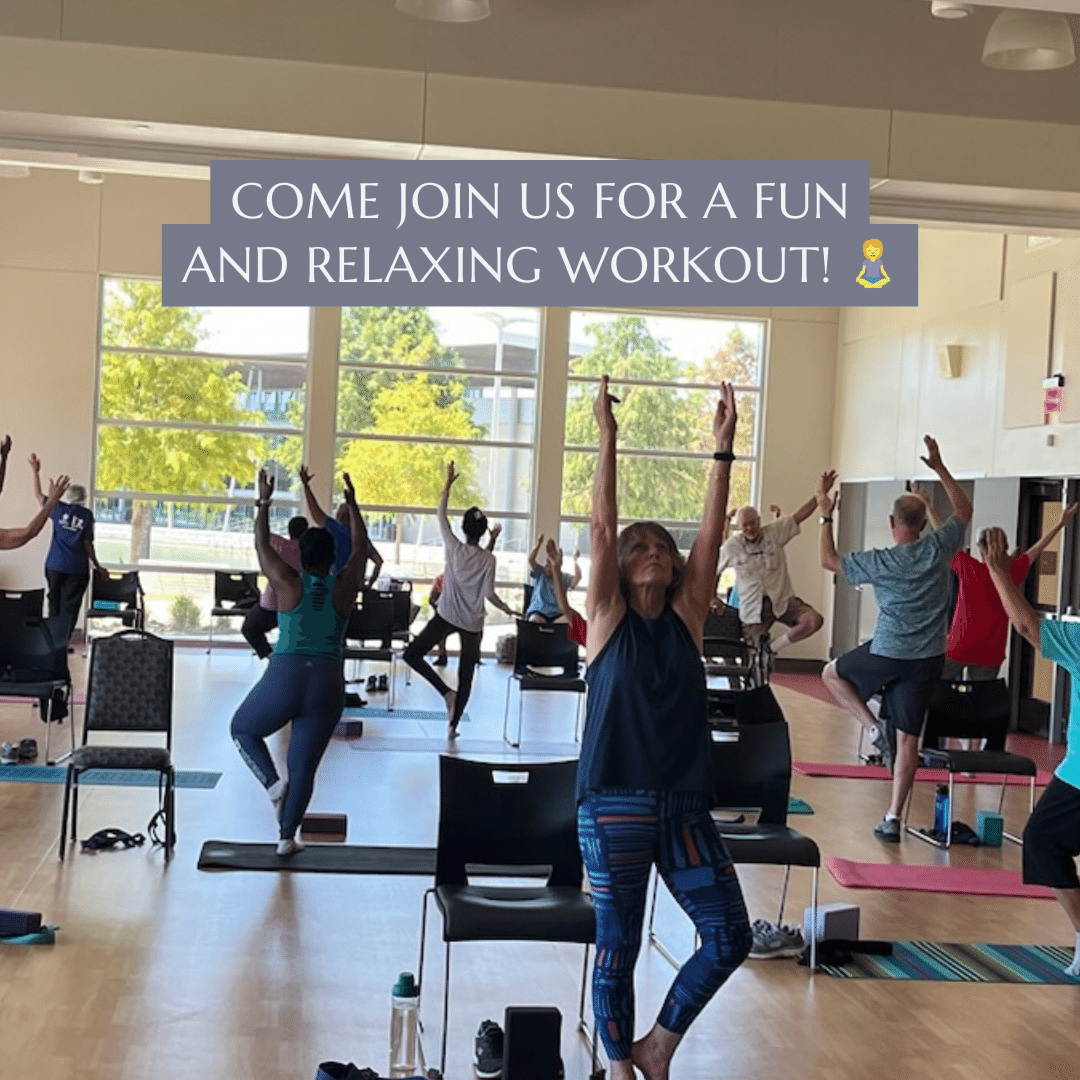
Join Gail for Yoga & Chair Tai Chi at Beaumont Texas's Lakeside Center!
Join Gail for Yoga & Chair Tai Chi at Beaumont Texas’s Lakeside Center! 🧘_♀️ (3)
  • Questions?  Call Gail Pickens-Barger at 409-727-3177  Leave a message, this is a landline.

#VYPfamily #vetgratitude #prayergardenyoga #outdooryoga