Fall Prevention Chair Yoga – Sequences for successful strengthening and balancing to prevent falls with Gail Pickens-Barger

Introduction to Fall Prevention Yoga

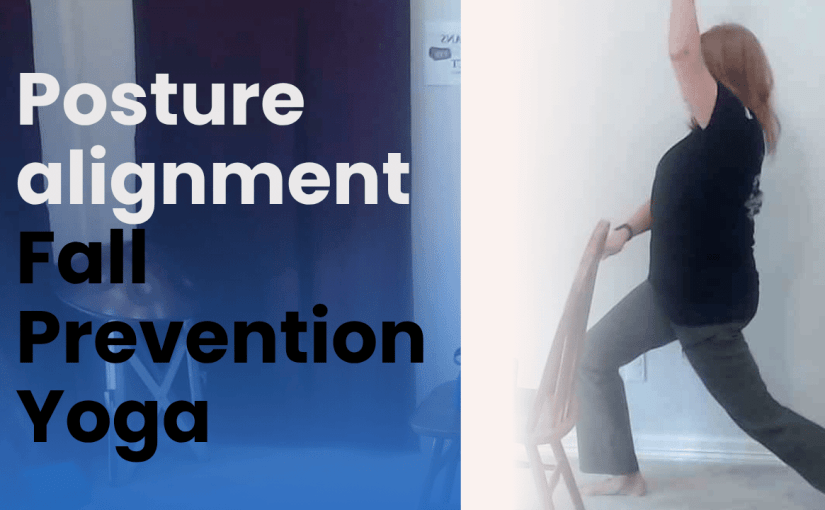
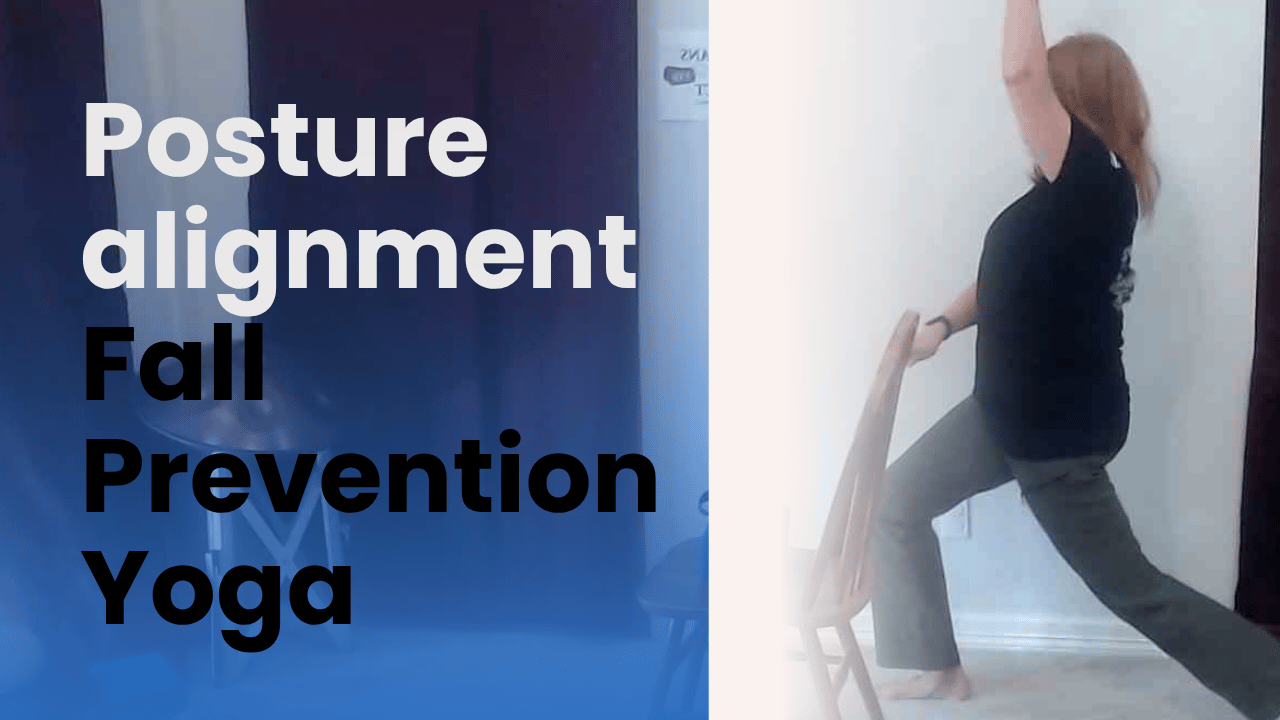
Posture alignment, pilates, yoga, tai chi, chair tai chi simple movements to effectively strengthen and balancing for preventing falls, with instructor Gail Pickens-Barger

Overview of Chair Yoga

  • Chair yoga is a modified form of yoga that allows individuals to perform poses while seated or using a chair for support, making it accessible for those with mobility issues.
  • It focuses on improving flexibility, strength, and balance, which are crucial for fall prevention, especially in older adults.
  • The practice can be adapted to various skill levels, ensuring inclusivity for all participants.

Importance of Postural Alignment

  • Proper postural alignment is essential for maintaining balance and preventing falls; it involves aligning the body in a way that reduces strain and enhances stability.
  • Misalignment can lead to muscle imbalances and increase the risk of falls, making awareness of body positioning critical during yoga practice.
  • Techniques such as checking foot alignment and engaging core muscles are emphasized to promote better posture.

Breathing Techniques in Chair Yoga

Breath Awareness and Control

  • Breath is a foundational element in yoga; it helps to center the mind and body, enhancing the overall practice.
  • Participants are guided to focus on their breath by placing hands on the belly and chest to feel the movement during inhalation and exhalation.
  • Techniques such as breathing through the nose are encouraged to promote relaxation and prevent throat dryness.

Exercises for Breath Expansion

  • Exercises include expanding the belly during inhalation and drawing the belly button towards the spine during exhalation, which helps engage the core.
  • Participants are encouraged to visualize their breath filling up their abdomen like a balloon, promoting deeper breathing and relaxation.
  • Regular practice of these techniques can improve lung capacity and overall respiratory health.

Postural Alignment Exercises

Key Alignment Techniques

  • Participants are instructed to ensure their feet are parallel and aligned, which is crucial for maintaining balance during standing poses.
  • Exercises include squeezing the gluteal muscles to engage the core and improve stability, which can be practiced multiple times for effectiveness.
  • The modified golfer’s grip is introduced to enhance upper body strength and posture, focusing on the alignment of the arms and shoulders.

Dynamic Movements for Stability

  • Movements such as interlacing fingers and reaching overhead help to stretch and strengthen the upper body while maintaining a stable base.
  • Participants are guided through sequences that involve bending and straightening the knees to promote joint mobility and strength.
  • Incorporating hip circles and shoulder movements helps to lubricate joints and improve overall flexibility, which is essential for fall prevention.

Conclusion and Practice Integration

Importance of Regular Practice

  • Consistent practice of chair yoga can lead to improved balance, strength, and flexibility, significantly reducing the risk of falls in older adults.
  • Participants are encouraged to integrate these exercises into their daily routines for maximum benefit.
  • The holistic approach of combining breath work, alignment, and movement fosters a greater sense of well-being and confidence.

Community and Support

  • Engaging in group classes can provide social support, which is beneficial for mental health and motivation to continue practicing yoga.
  • Instructors play a crucial role in guiding participants through safe practices and modifications tailored to individual needs.
  • Building a community around chair yoga can enhance the experience and encourage participants to share their progress and challenges.

Introduction to Movement and Energy Techniques

Overview of Movement Practices

  • Movement practices focus on enhancing physical health and energy flow in the body.
  • Techniques often incorporate elements from traditional practices such as Tai Chi and Qi Gong.
  • Emphasis on mindful movement to promote relaxation and reduce tension.

Importance of Energy Flow

  • Energy flow is crucial for overall health, as blockages can lead to physical and mental issues.
  • Traditional Chinese Medicine identifies meridians that correspond to different organs and energy pathways.
  • Techniques such as tapping and stroking are used to stimulate these meridians and promote healing.

Detailed Techniques for Energy Release

Upper Body Movements

  • Arm Circles: Helps to release tension in the upper back and shoulders. Recommended to perform in sets of 10, alternating directions.
  • Golfer’s Grip: Engages the arms and shoulders, promoting flexibility and strength.

Detox Techniques

  • Chon Detox: Involves stroking across the collarbone to clear energy blockages in the lung, kidney, and stomach meridians.
  • Ear and Jawline Strokes: Stimulates cerebral spinal fluid flow, potentially reducing dementia risk.

Lower Body and Foot Techniques

Foot and Ankle Exercises

  • Point and Flex: Engages the calf muscles, considered the ‘second heart’ of the body, aiding in blood circulation.
  • Ankle Circles: Strengthens the feet and improves mobility, essential for walking stability.

Knee and Leg Movements

  • Gallbladder Meridian Tapping: Tapping the side of the knees can help alleviate knee pain and improve circulation.
  • Leg Shaking: Promotes oxygen flow to the lower body, reducing the risk of leg cramps.

Balancing Techniques and Final Movements

Golden Rooster Balance Exercise

  • Golden Rooster: A Tai Chi exercise that enhances balance and stability, focusing on rooting down through one leg while lifting the other.
  • Encourages awareness of body alignment and core engagement.

Conclusion and Daily Practice Recommendations

  • Incorporating these techniques into daily routines can enhance physical health and energy levels.
  • Recommended to practice each technique 5-10 times for optimal benefits.

Tai Chi Concepts and Techniques

Rooting and Balance

  • The concept of rooting in Tai Chi emphasizes grounding oneself, particularly through the leg closest to a support (like a chair).
  • Practitioners are encouraged to assess their need for support while performing movements, enhancing awareness of balance and stability.
  • The exercise involves bending the knees and tucking the tailbone, which helps in maintaining a strong posture and balance.
  • A three-point step drill is introduced to build leg strength and improve balance awareness, involving movements forward, to the side, and backward.
  • The importance of feeling sensations in the hips and legs during these movements is highlighted, indicating engagement of muscle groups.
  • Repetition of these movements helps in muscle memory and strength building, essential for Tai Chi practice.

Movement Sequences

  • The sequence involves bending both knees and performing a series of leg movements while maintaining balance, such as bringing the leg forward, to the side, and back.
  • Each movement is performed with a focus on maintaining the weight on the rooted leg, ensuring stability and control.
  • The exercise encourages participants to engage their core and leg muscles, promoting overall strength and flexibility.
  • The sequence is repeated multiple times to reinforce muscle engagement and improve coordination.
  • Participants are encouraged to notice any muscle buildup and to release tension through gentle movements like step touches.
  • The integration of music or rhythm (e.g., 106 beats) can enhance the experience and encourage synchronization of movements.

Strength Training Techniques

Chair Exercises and Equipment Use

  • The transition to strength training involves using a chair, yoga block, and strap to facilitate various exercises.
  • A cat-cow stretch is introduced to warm up the spine, emphasizing the importance of spinal flexibility and posture.
  • The use of a yoga strap is demonstrated, showing how to create resistance and engage muscles effectively during exercises.
  • Participants are instructed to maintain a specific distance between their hands on the strap, promoting proper alignment and engagement of the legs and core.
  • The concept of pressing down into the floor while engaging the legs is emphasized, creating a strong foundation for strength training.
  • The importance of breathing during exercises is highlighted, encouraging participants to focus on their breath to enhance performance.

Advanced Strength Techniques

  • The use of a yoga block between the thighs is introduced to enhance inner thigh strength and stability during exercises.
  • Participants are instructed to press against the block while maintaining control, which helps in building muscle strength without losing form.
  • The session includes vigorous movements, such as drumming with fists, to engage the upper body and improve coordination.
  • Emphasis is placed on maintaining a strong core and proper posture throughout the exercises to prevent injury.
  • The session concludes with stretches targeting the big toe and foot flexibility, which are often neglected but crucial for overall mobility.
  • Variations of warrior poses and lunges are suggested to further enhance flexibility and strength in the lower body.

Introduction to Chair Yoga

Overview of Chair Yoga

  • Chair yoga is a form of yoga that can be practiced while seated in a chair, making it accessible for individuals with mobility issues or those who spend long hours sitting.
  • It incorporates traditional yoga postures and breathing techniques, adapted for a seated position to enhance flexibility, strength, and relaxation.
  • This practice is beneficial for improving posture, reducing stress, and promoting overall well-being, especially for those with limited mobility.
  • Chair yoga can be practiced in various settings, including homes, offices, and community centers, making it a versatile option for many individuals.
  • The use of a chair provides stability and support, allowing practitioners to focus on their breath and body alignment without the fear of falling.
  • Regular practice can lead to improved circulation, reduced tension, and increased range of motion in the joints.

Benefits of Chair Yoga

  • Enhances flexibility and strength, particularly in the lower body, which is crucial for maintaining mobility as one ages.
  • Reduces the risk of injury by promoting safe movement patterns and improving balance.
  • Supports mental health by reducing anxiety and stress through mindful breathing and movement.
  • Encourages social interaction and community building when practiced in group settings.
  • Provides a gentle introduction to yoga for beginners or those recovering from injury.
  • Can be easily modified to accommodate various physical limitations or health conditions.

Chair Yoga Techniques

Warrior One and Crescent Lunge Variations

  • Begin by sitting tall in the chair, ensuring your back is straight and your feet are flat on the ground.
  • Lift your hips slightly off the chair, allowing your body to engage and activate the core muscles.
  • Extend one leg forward, keeping the toe pointed and pressing into the floor with the back foot for stability.
  • Optionally, raise your arms overhead to deepen the stretch and engage the upper body.
  • Focus on breathing deeply, feeling the stretch in the hip flexors and lower back as you hold the position.
  • This pose can increase heart rate and improve circulation, making it a dynamic addition to the practice.

Unsupported Twists for Spinal Mobility

  • Start in a seated position with feet hip-width apart and hands in a ‘W’ shape to support the upper body.
  • Inhale deeply, expanding the chest and belly, then exhale as you twist to one side, keeping the legs stable.
  • Maintain awareness of the knees, ensuring they do not drop inward during the twist to protect the joints.
  • Hold the twist for several breaths, feeling the stretch in the spine and shoulders, then return to center.
  • Repeat on the opposite side, focusing on the breath and the sensations in the body.
  • This exercise promotes spinal flexibility and aids in digestion through gentle twisting movements.

Additional Movements and Considerations

Hip Joint Mobilization

  • Engage in seated movements to ‘oil’ the hip joints, such as lifting the knee up and out to the side.
  • Incorporate gentle stomping motions to release tension and promote circulation in the lower body.
  • Be mindful of any discomfort, especially for individuals with conditions like plantar fasciitis or brittle bones.
  • Encourage participants to listen to their bodies and modify movements as necessary to avoid strain.
  • This practice can help maintain joint health and prevent stiffness from prolonged sitting.
  • Regular hip mobilization can enhance overall mobility and ease of movement in daily activities.

Standing Exercises for Strength and Balance

  • Transition to standing by moving behind the chair for support, ensuring a stable base with feet hip-width apart.
  • Perform leg swings to engage the hip flexors and improve balance, alternating sides for symmetry.
  • Introduce heel out and toe in movements to challenge coordination and strengthen the lower body.
  • Emphasize the importance of maintaining a strong core and proper posture throughout the exercises.
  • Encourage hydration and breaks during practice, especially after prolonged sitting, to maintain energy levels.
  • These standing exercises can enhance strength, balance, and overall functional fitness.

Movement Techniques for Flexibility and Strength

Dynamic Stretching and Muscle Engagement

  • The importance of dynamic stretching in preparing the body for movement, particularly focusing on large muscle groups.
  • Techniques include stepping back with one leg while bending the knee of the other leg, which engages the calf muscles and promotes flexibility.
  • Emphasis on pressing the back heel into the ground to enhance calf muscle stretching and overall stability.
  • Incorporating arm movements (raising arms) to increase heart rate and engage upper body muscles during stretches.
  • Example: Performing a back bend while stepping back can stimulate heart rate and promote bone growth.
  • Historical context: Dynamic stretching has been used in various cultures as a warm-up technique before physical activities.

Sciatica Soother Techniques

  • Introduction to the ‘sciatica soother’ as a targeted exercise to alleviate discomfort in the sciatic nerve.
  • Steps include stepping back, lifting the back heel, and tucking the pelvis under to engage core muscles.
  • Importance of maintaining a soft bend in the knee of the front leg to avoid strain while performing the exercise.
  • Notable sensations: Participants may experience shaking or discomfort, indicating muscle engagement and stretching.
  • Example: Flossing the sciatic nerve through specific movements can help relieve tension and improve mobility.
  • Case study: Many physical therapists recommend similar movements for patients with sciatica to enhance recovery.

Walking Techniques for Balance and Coordination

  • Walking forwards and backwards as a method to improve balance and coordination, utilizing a chair or wall for support.
  • The heel-toe walking technique is emphasized for better stability and muscle engagement.
  • Switching foot positions during walking exercises challenges the brain and enhances cognitive function related to movement.
  • Example: Walking backwards engages different brain pathways, beneficial for prefrontal cortex development.
  • Safety note: Always use a stable support when practicing these movements to prevent falls.
  • Historical reference: Walking exercises have been used in rehabilitation settings for centuries to improve mobility.

Strength and Endurance Assessment

Are You at Risk of Falling?

Sit to Stand Exercise

  • The sit-to-stand exercise is a key indicator of lower body strength and fall risk assessment.
  • Guidelines suggest that completing 10-12 repetitions in 30 seconds indicates a lower risk of falls.
  • Proper technique involves placing hands on shoulders or the chair for support, ensuring safety during the exercise.
  • Example: If a participant can only perform 4 repetitions, they may have a 70% chance of falling, highlighting the importance of strength training.
  • Training modifications: Beginners may start with hands on the chair to build strength gradually.
  • Historical context: This exercise has been widely adopted in geriatric fitness programs to assess and improve functional mobility.

Heart Rate and Breathing Techniques

  • The relationship between physical activity and heart rate increase, emphasizing the importance of monitoring heart rate during exercises.
  • Techniques for relaxation include guided breathing exercises to lower heart rate and promote calmness.
  • Example: The ‘non-sleep deep rest’ (NSDR) meditation technique encourages participants to focus on their breath, enhancing relaxation.
  • Breathing patterns: Inhale deeply through the nose and exhale through the mouth to relieve stress and tension.
  • Historical reference: Breathing techniques have been integral to various meditation practices across cultures for centuries.
  • Importance of awareness: Noticing one’s breath can enhance mindfulness and overall well-being.

Understanding Non-Sleep Deep Rest (NSDR)

The Concept of NSDR

  • Non-Sleep Deep Rest (NSDR) is a practice that promotes relaxation and mindfulness without the need for sleep.
  • It involves techniques such as breath awareness and body scanning to enhance present-moment awareness.
  • NSDR can help reduce stress, improve focus, and enhance overall well-being by allowing the body to rest deeply while remaining awake.
  • The practice encourages participants to notice their breath without altering it, fostering a sense of calm and presence.
  • Historical context: NSDR techniques are rooted in ancient practices such as yoga and meditation, which emphasize the importance of breath and body awareness.

Breath Awareness Techniques

  • Participants are guided to focus on their breath, noticing the sensations of inhaling and exhaling.
  • The practice encourages slow, deep breathing, which can activate the parasympathetic nervous system, promoting relaxation.
  • Example: The ‘elongated breath’ technique involves inhaling deeply and exhaling slowly, often counted to enhance focus and control.
  • Breathing exercises can be integrated into daily routines to manage stress and improve cognitive function.
  • Case Study: Research shows that breath awareness can significantly reduce anxiety levels in participants.

Body Awareness and Scanning

Guided Body Scan

  • The body scan technique involves directing attention to various parts of the body, promoting relaxation and awareness.
  • Participants are invited to notice sensations in specific body areas, such as fingers, arms, and legs, fostering a connection between mind and body.
  • This practice helps in identifying areas of tension or discomfort, allowing for targeted relaxation.
  • Example: The guided journey through the body includes focusing on the right and left sides, enhancing bilateral awareness.
  • Historical context: Body scanning is a common practice in mindfulness meditation, used to cultivate awareness and acceptance of bodily sensations.

Visualization Techniques

  • Visualization is used to enhance relaxation, such as imagining bright sunshine saturating the body, promoting healing and warmth.
  • This technique can help participants release tension and negative energy, fostering a sense of peace.
  • Example: Inviting ‘healing sunshine’ into areas of discomfort can create a mental image of warmth and relief.
  • Visualization can be a powerful tool in stress management and emotional regulation.
  • Research indicates that guided imagery can improve physical and emotional health outcomes.

Movement and Physical Awareness

Importance of Movement

  • Regular movement is emphasized to prevent physical discomfort and promote overall health, especially during prolonged sitting.
  • Simple movements, such as shoulder circles and seated cat-cow stretches, can alleviate tension and improve posture.
  • Example: The practice encourages participants to move every hour to maintain spinal health and cognitive function.
  • Historical context: Movement practices are integral to many wellness traditions, emphasizing the connection between physical activity and mental clarity.
  • Case Study: Studies show that incorporating movement into daily routines can enhance productivity and reduce fatigue.

Chair Yoga Practices

  • Chair yoga is a modified form of yoga that can be practiced while seated, making it accessible for individuals with mobility challenges.
  • The practice includes gentle stretches and movements that promote flexibility and strength without the need for a mat.
  • Example: ‘Swimming dragon’ and ‘spread the feathers’ are specific chair yoga exercises that enhance range of motion in the neck and shoulders.
  • Chair yoga can be particularly beneficial for older adults or those recovering from injury, providing a safe way to engage in physical activity.
  • Historical context: Chair yoga has gained popularity as a therapeutic approach to enhance mobility and well-being in various populations.

Mindfulness and Gratitude Practices

Cultivating Mindfulness

  • Mindfulness is the practice of being present and fully engaged in the moment, which can be enhanced through guided exercises.
  • Participants are encouraged to focus on their breath and bodily sensations, fostering a deeper connection to the present.
  • Example: The practice of noticing one’s breath and body can lead to increased awareness and reduced stress levels.
  • Mindfulness techniques can be integrated into daily life to improve emotional regulation and resilience.
  • Research indicates that mindfulness practices can lead to significant improvements in mental health outcomes.

Gratitude Practice

  • Gratitude practices involve reflecting on positive aspects of life, which can enhance overall well-being and happiness.
  • Participants are guided to think of something they are grateful for, fostering a positive mindset.
  • Example: Clasping hands at heart center while reflecting on gratitude can create a physical representation of appreciation.
  • Gratitude practices have been shown to improve emotional health and strengthen social connections.
  • Historical context: Gratitude has been a focus in various philosophical and spiritual traditions, emphasizing its role in personal growth and community building.

Additional thoughts to share.

Key Terms/Concepts

  • Chair Yoga: A form of yoga that can be done while seated in a chair, making it accessible for individuals with mobility issues.
  • Postural Alignment: The proper positioning of the body to maintain balance and prevent injury during movement.
  • Breath Awareness: The practice of focusing on the breath to enhance relaxation and mindfulness during yoga.
  • Lymphatic Drainage: Techniques used to stimulate the lymphatic system to promote detoxification and improve circulation.
  • Non-Sleep Deep Rest (NSDR): A meditation practice that promotes relaxation and recovery without the need for sleep.

Key Techniques/Practices

TechniqueDescription
Breath WorkInvolves deep breathing exercises to enhance lung capacity and promote relaxation.
Squeeze and ReleaseEngaging and relaxing specific muscle groups to improve strength and awareness.
Golfer’s GripA hand position used to engage the upper body and improve posture during exercises.
Cat-Cow StretchA spinal flexion and extension exercise to improve flexibility and relieve tension in the back.
Seated TwistsRotational movements to enhance spinal mobility and promote digestion.

Key People

  • Gail Pickens-Barger: The instructor who designed the sequence, leads the chair yoga session, focusing on fall prevention and body awareness.

Interventions

  • Guided Rest and Relaxation: A practice at the end of the session to promote deep relaxation and mindfulness.
  • Strength Training: Exercises designed to improve muscle strength and stability, particularly in the legs and core.
  • Balance Exercises: Activities aimed at enhancing balance and coordination to prevent falls.

Key Benefits

  • Improved Flexibility: Regular practice of chair yoga can enhance flexibility in the joints and muscles.
  • Enhanced Strength: Strengthening exercises help build muscle, particularly in the lower body, which is crucial for fall prevention.
  • Increased Mindfulness: Focus on breath and body awareness promotes mental clarity and reduces stress.
  • Better Posture: Techniques taught in the class help improve overall posture, reducing the risk of injury.

Facts to Memorize

  • The importance of maintaining proper posture during yoga to prevent falls.
  • The concept of dantien in yoga, located two finger widths below the belly button.
  • The significance of engaging the glute muscles for better stability and posture.

Reference Information

  • Chair yoga is designed to improve flexibility, strength, and balance, particularly for individuals with mobility issues.
  • Breathing techniques such as inhaling through the nose and exhaling through the mouth can help manage breath during exercises.
  • The concept of ‘non-sleep deep rest’ (NSDR) is a meditation technique that promotes relaxation and mindfulness.

Problem-Solving Steps

Steps for Proper Postural Alignment in Chair Yoga:
  1. Feet Positioning: Ensure feet are about two fist distances apart and the outsides are parallel.
  2. Engage Core: Place one hand on the dantien and the other on the chest to monitor breath movement.
  3. Breath Control: Inhale deeply, expanding the belly, and exhale while drawing the belly button towards the spine.
  4. Shoulder Relaxation: Keep shoulders relaxed and down while maintaining a tall spine.
  5. Re-engage Glutes: Squeeze the glute muscles during exercises to enhance stability.

#fallprevention #chairtaichi #taichi #yoga #pilates #fusion #movements

Chair Yoga for Fall Prevention: A Comprehensive Guide


Chair Yoga for Fall Prevention: A Comprehensive Guide

🌿 Introduction to Chair Yoga

Chair yoga is a gentle, modified form of traditional yoga performed while seated or using a chair for support—making it accessible for individuals with limited mobility, balance concerns, or post‑injury limitations. It emphasizes safety, encouraging practitioners to stay “between the easy and the ouch” by honoring their body’s limits. Through mindful movement, chair yoga improves flexibility, strength, balance, and confidence in daily activity. As AP News reports, it “offers significant benefits such as improved flexibility, strength, balance, and emotional well‑being” and is particularly valuable for fall prevention among older adults (apnews.com).


Why Fall Prevention Matters

Falls are a leading cause of injury among older adults, often resulting in fractures, hospitalizations, and declines in independence (pmc.ncbi.nlm.nih.gov). Chair yoga directly addresses this risk by combining gentle strength and balance work in a safe, supportive setting.


1. Warm‑Up Foundation

A vital warm‑up primes the body and mind for effective practice:

  • Gentle joint mobilization: Shake arms, bounce knees, roll shoulders and wrists.
  • Breath awareness: Anchor the session with mindful inhaling and exhaling.
  • Circulation boost: Circulate blood flow to stiff areas, setting the tone for safety and effectiveness.

2. Breathing Techniques

Conscious breathing deepens the practice and supports relaxation:

  • Deep belly breathing: Inhale to expand the diaphragm; exhale to engage the core.
  • Back-of-throat listening: Amplifies breath awareness and focus.
  • Synchronize breath and movement: Link inhales and exhales to spinal elongation and flexion—for example, during seated Cat‑Cow.

3. Strengthening & Balance Exercises

Adaptable and functional, these exercises support day‑to‑day movement and reduce fall risk:

  • Arm swings & shoulder lubrications: Strengthen upper body and shoulder joints.
  • Core engagement: Maintain upright posture during breathing and movement.
  • Step‑touch drills & foot patterns: Enhance lower‑body coordination and strength.

Research confirms chair yoga builds upper‑ and lower‑body strength, improving functional mobility (ncbi.nlm.nih.gov).


4. Lymphatic Health & Detoxification

Chair yoga supports circulation of lymph—crucial for immune health:

  • Understanding lymphatic system: A pump‑less system dependent on body movement.
  • “Big six” drainage techniques: Gentle strokes from jawline, neck, and collarbone towards lymph nodes can reduce stagnation and boost recovery (glamour.com).
  • Daily flow practices: Light tapping or shaking of limbs promotes detoxification and vitality.

5. Spinal Mobility & Alignment

Strong spine posture and mobility are central to balance and fall prevention:

  • Seated Cat‑Cow: Alternating spinal arch and round to maintain flexibility.
  • Pelvic Tilts: Enhance core strength and support the lower back.
  • Unsupported Twists & Lateral Flexion: Gentle side‑bends and rotations to improve spinal health.

Breath coordination—for example, inhaling on extension and exhaling on flexion—supports form and reduces tension.


6. Mindfulness & Present Moment Awareness

Building mind‑body connection is essential:

  • Mindful movement: Observe sensations, posture, and alignment without judgment.
  • Breath‑focused drills: Techniques like “elongated exhale” or pranayama encourage calm and resilience.
  • Simple rituals: Gentle clapping to stimulate energy, gratitude reflections to foster positivity.

7. Sample Chair Yoga Sequence

  1. Warm‑up (5 min): Arm shakes, shoulder rolls, breath work.
  2. Breathing & spinal flow (5 min): Deep belly breathing, Cat‑Cow with breath.
  3. Strength & balance (10 min): Heel‑toe lifts, step‑touch drills, seated leg swings.
  4. Lymphatic flow (5 min): Gentle tapping across neck and collarbones, light leg shakes.
  5. Spinal mobility (5 min): Pelvic tilts, seated twists, side‑bends.
  6. Mindful cool‑down (5 min): Elongated exhales, gratitude focus, gentle neck rolls.

8. Homework & Daily Practice

Consistency builds confidence and resilience:

  • Seated Clam Shells with Yoga Strap or Stretchy Band: 10 min/day to strengthen hip musculature complex. This is a variation of the side lying mat pilates movement, where, Clamshells—where you lie on your side and open your knee like a shell, exercises targeting hip stabilizers with resistance bands, weights. But in this circumstance we use either therabands or yoga straps, seated on the chiar for this strength builder.
  • Sit‑to‑stand reps: Aim for 10 controlled transitions to build leg/behind strength.
  • Walking drills: Use chair support to enhance balance and coordination.
  • Three‑point step drills: Develop agility and weight‑shift control, better balance and build strength.

9. Support from Research

  • A 12‑week study in psychiatric inpatients showed increases in strength, flexibility, and reduced fear of falling (yogianatomy.com, pubmed.ncbi.nlm.nih.gov).
  • A pilot trial in elderly at high fall risk recorded improved sit‑to‑stand scores and reduced fall anxiety, with no adverse events (pubmed.ncbi.nlm.nih.gov).
  • Meta‑analyses report significant gains in upper‑body strength and lower‑body endurance following chair‑based programs (mdpi.com).

✨ Final Thoughts & Encouragement

Chair yoga offers a powerful, accessible pathway to enhanced mobility, balance, and well‑being. While progress takes time, even short daily practice can produce confidence and reduce fall risk. Embrace the chair as your ally and move with kindness and curiosity. With consistent dedication, you’ll discover newfound stability, strength, and peace.


Chair Tai Chi & Gentle Beginners Yoga for Back Care Classes – 2025

Chair Tai Chi & Gentle Beginners Yoga for Back Care Classes

February 2025. For Veterans Yoga Project Online Studio, Gail Pickens-Barger, Yoga Instructor/Chair Tai Chi Instructor. New schedule update.

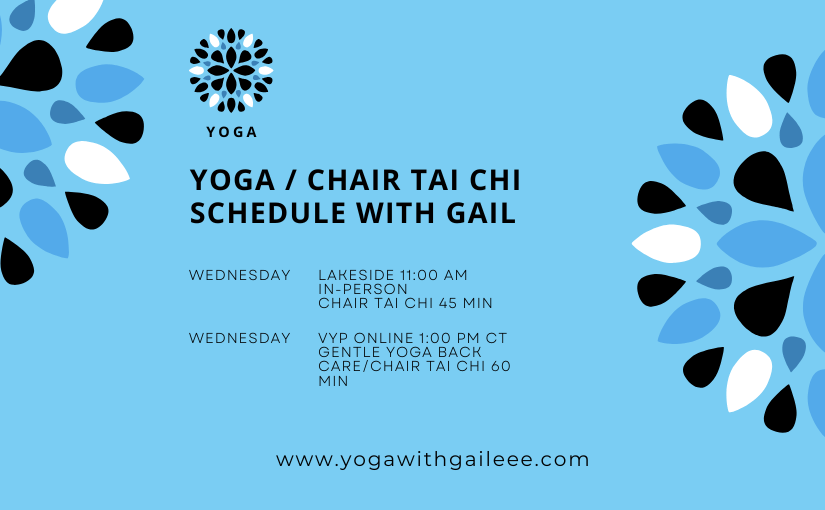
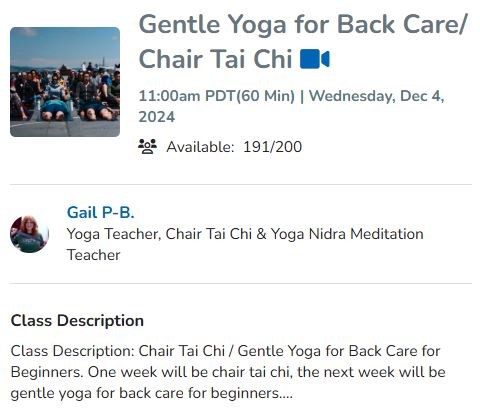
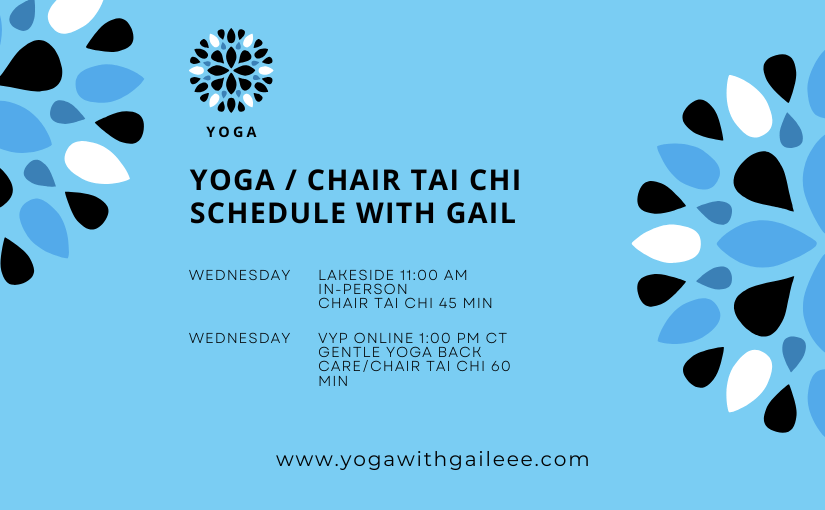
Wednesdays Gentle Yoga for Back Care/ Chair Tai Chi. 11:00am PST(60 min) | Wednesdays | 1:00pm CST(60 min)

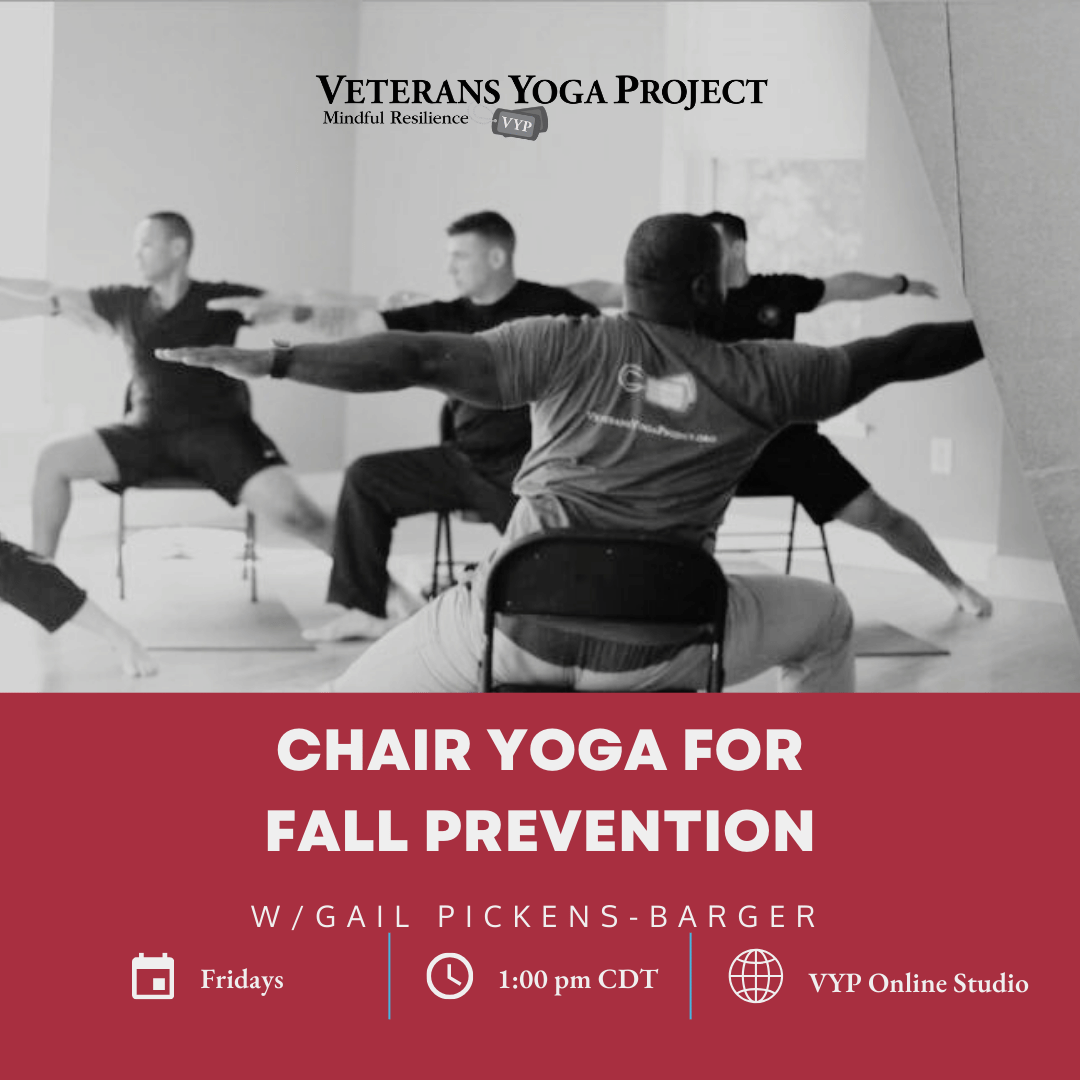
Fridays Chair Yoga for Fall Prevention. 11:00 am PST (60 min) | Fridays | 1:00 pm CST (60 mins)

Gail Pickens-Barger

Yoga Teacher, Chair Tai Chi & Yoga Nidra Meditation Teacher

Class Description: Chair Tai Chi / Gentle Yoga for Back Care for Beginners. One week will be chair tai chi, the next week will be gentle yoga for back care for beginners.

Chair Tai Chi Class Description:
 
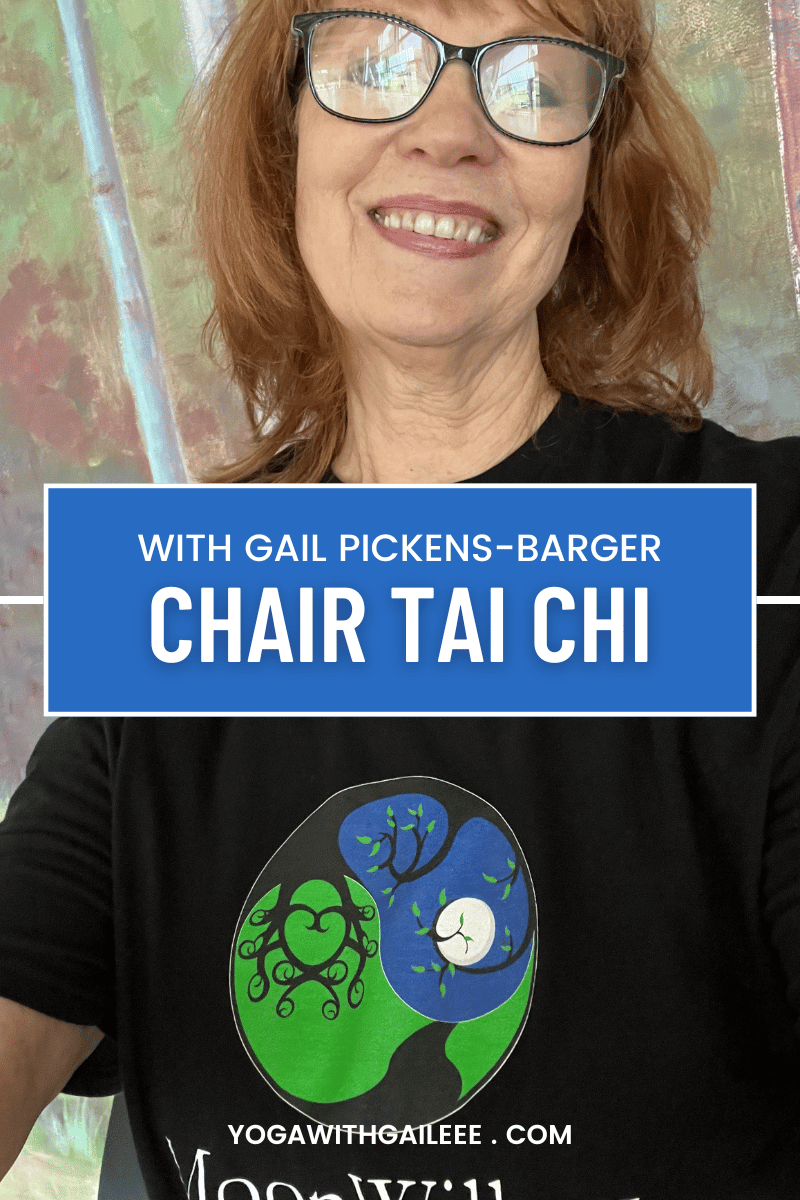
Chair Tai Chi is a 45 minute class, consisting of a blend of Yang Style Tai Chi forms (singled out for adaptability in a seated position), Shaolin muscle and sinew exercises, qigong (“chee-kung”) detoxing techniques, hand/finger/eye exercises, acupressure point stimulation, and guided rest & relaxation & gratitude practice.

Benefits: Chronic pain reduction, improved strength and flexibility, range of motion, posture, blood pressure, sleep, digestion, and immunity. Relieves stress, anxiety, and aids in overall well-being. Chair Tai Chi is a unique therapeutic modality being offered in the online Veterans Yoga Project studio.
 
*Special instructions for Chair Tai Chi:
Please have a sturdy chair available.

*******

Gentle Yoga for Back Care Beginners Class Description:

This 60 minute class is formatted for those of all ages and levels who experience low back pain, whether chronic or due to injury. The use of gear is encouraged to help support you through class which is presented every other week with our resident VYP expert, Gail Pickens-Barger. Class can be done on a yoga mat, or seated on a chair.

Special Instructions
Please have on hand:
* a strap
* a block
* access to a non-stick surface (a.k.a. yoga mat) or be seated on a chair

Optional items to have on hand are:
* a blanket/cover
* access to a wall or chair/table.  

You don’t have to bend like a pretzel to do yoga!

Example of Back Yoga for Beginners. Ease your back challenges with simple, effective movements.

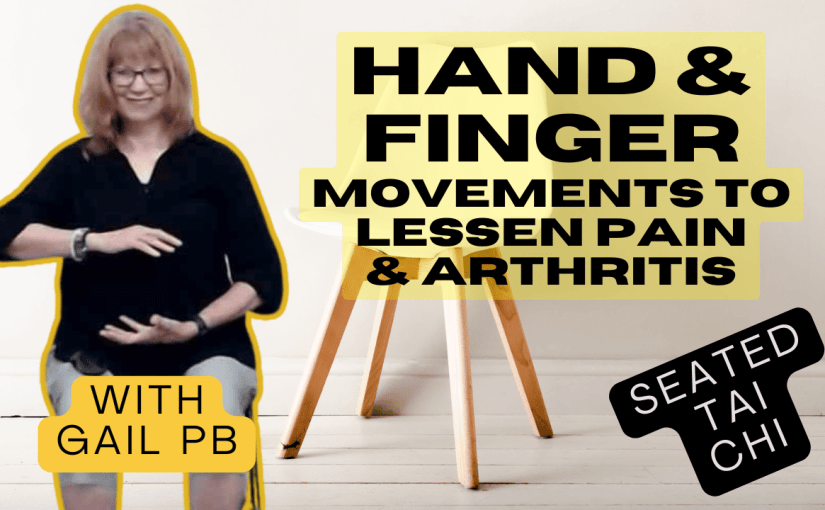
Check out my latest “Live” video. I was testing the video quality and sound at a remote location. Sound is not as crisp as I would like, but is tolerable. Movement sequences for hands and fingers for easing pain and arthritis.

Playlist for Chair Yoga for Fall Prevention

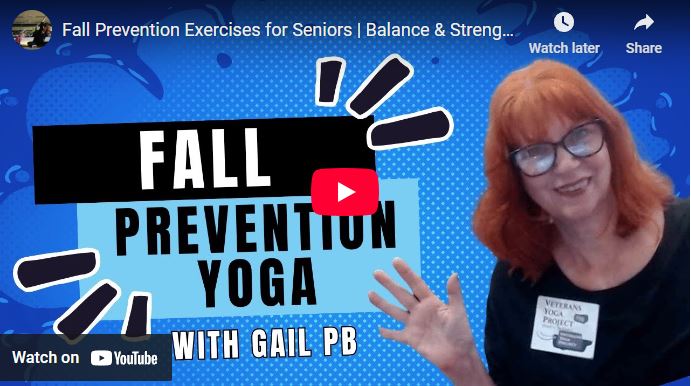
Current Playlist for Chair Yoga for Fall Prevention with Gail P-B.

Received some nice feedback on the Fall Prevention Chair Yoga class, that has been added to the schedule for online offerings for Veterans Yoga Project online studio.

It is an hour long class, then we have a discussion afterwards of what worked well for the folks, and what did not work well. Everyone is in a different place in their balance journey, so it is a “balance” (ha ha) to try to please most folks. (Get it, “balance”, Fall Prevention?)

When I was in a breast cancer study at MD Anderson a couple of years ago (get my mammograms at either the Houston, or Conroe location), one of the testing parameters was how many “Sit to Stands” movements I could do, unassisted. If one is below the average in these numbers, then there is a high probability that you will have a fall.

I shared this image a couple of years ago on my Instagram feed. It has stuck with me all these years.

Are you at Risk for Falling?

Check out the free yoga classes over on Veterans Yoga Project website!

https://veteransyogaproject.org/vyp-classes

Beginners Yoga Schedule for Gail Pickens-Barger, Beaumont, Nederland, Port Neches & Online in Texas

Teaching Schedule for 2024

Gail’s Yoga Teaching Schedule for 2024

In-Person Yoga/Chair Tai Chi Classes

45-60 Minute Yoga Classes for Beginners and Those with Back Challenges

Yoga classes spanning 45 to 60 minutes are particularly beneficial for beginners as well as individuals dealing with back challenges and chronic pain. The duration provides ample time for gentle warm-up exercises, foundational yoga poses, and a rejuvenating relaxation period. This allows participants to gradually build strength, flexibility, and mindfulness while also catering to the specific needs of those with back issues and chronic pain.

Testimonial for Yoga for Low Back Pain Class

One of the Veterans participating in the Veteran’s Yoga Project shared the following feedback about the class:

“I am grateful for the opportunity to attend the Yoga for Low Back Pain class led by Gail Pickens-Barger. The sessions have been instrumental in alleviating my discomfort and improving my overall well-being. I highly recommend this class to fellow Veterans struggling with similar issues.”

This testimonial highlights the positive impact of the class on the participant’s physical and mental health, showcasing the value of the Yoga for Low Back Pain program.

Maria, shares her testimony on the gentle yoga for low back care class.
The Gentle Yoga for Low Back Care class that I teach for the Veterans Yoga Project, helps to lower the pain levels of back pain.
Joseph P shares about his pain levels in taking back care yoga class with me online on VYP.
Michelle W shares about the Chair Yoga class that I taught online for Veterans Yoga Project during Gratitude Week 2023.
Read my student testimonies from the classes that I teach online and in-person.  Thank you.  Yoga with Gaileee

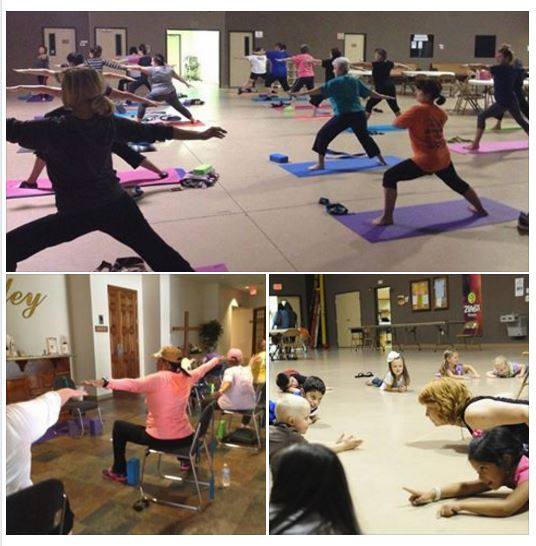
In-person classes at Lakeside Event Center in Beaumont Texas. Fridays at 10:30 AM

Gail talking.
“Hey Don, welcome back! Hope this helped you! Let me know!”
Don – Veteran
“Yes it always helps! I’m similar to you: chronic back pain for 20-30 years, and since I started doing yoga in Tucson and more recently on-line, my back is much better. Not completely gone, but a heck of a lot better!”

Doesn’t get much better than that!

Beginners Yoga Classes in Beaumont and Nederland, Texas with Gail Pickens-Barger
Now online through VYP-Classes Online weekly at 1:00 PM CST on Wednesdays.

Yoga Nidra Meditation for Sleep, Pain Relief, and Stress Reduction

Yoga Nidra is a powerful meditation practice that can help ease you into sleep, alleviate chronic pain, and reduce stress. By guiding your mind and body into a state of deep relaxation, Yoga Nidra can promote healing and rejuvenation. Whether you are seeking relief from physical discomfort or looking to unwind from the day’s stress, this ancient meditation technique can support your well-being.

Yoga Nidra for better sleep.

Sample of Yoga for Back Relief Classes that I teach

What gear do I need for Gentle Yoga for Low Back Care Classes?
Yoga with Gail
Just some ideas of the gear one can buy, or find items in your home to use for Gentle Yoga for Low Back Care Class!

What people are saying about the online yoga classes with Gail!

Online and In-Person yoga Classes with Gail.  Nederland Mid-County and Beaumont Texas
Online Classes with Gail Pickens-Barger.  Now Online in the Zoom Yoga Room with Gail


Why do Gentle Yoga for a Healthy Back Class.

One Last Thing… Be sure to wear either layer for your top or a form-fitting top.  We do a pose in our Beginners Yoga class called, Downward Facing Dog.  You basically look like an “Upside Down” Letter, “V”, and sometimes shirts will ride up your backside!  Whoops!  Here’s my young daughter demonstrating!

graceyoga_15a

PRIVATE YOGA LESSONS – One-on-One Lessons. 

These are to be held online.   In either Mid-County or Beaumont Texas. Please call 409-727-3177 for additional inquiries.

Yoga can help you:

  • Ease your back pain
  • Help to lose weight
  • Lessen one’s stress
  • Increase flexibility
  • Gain strength
  • Ease pregnancy challenges
  • Build bone mass
  • Better your balance

Questions? Comments? Complaints? Complements?

Contact Gail